Overview
Ten weeks ago, most people outside the UK had never heard the name Lorenzo Alessi. Today, he's featured on British Vogue. For weeks this summer, Jasmine and Lorenzo (nicknamed "Jarenzo" by fans) had TikTok in a chokehold, pulling in people who'd never watched a single other season of the show and getting them actively rooting for a couple that, technically, was never even together. Lorenzo won the series, coupled up with Julia. Jasmine finished as runner-up, paired with Kavan.
But by nearly every metric that matters to a brand, Jasmine Muller came out of the villa with more influence than anyone else in the cast, she gained more followers than any other islander this series, picking up 743,577 followers in 76 days, and had multiple brand deal conversations underway.
Reality TV, and dating shows in particular, have quietly become one of the fastest and most reliable ways for brands to find culturally relevant faces. What's changed recently isn't the pipeline itself, but rather, it's the speed, and who gets to benefit from it.
Take for instance, Jess Vestal (Love Is Blind, Season 6). She left the pods with essentially no public profile, and within months had crossed a million followers on Instagram, signed campaigns with Abercrombie, L'Oréal Paris, and Ulta Beauty within days of her reunion episode airing. The show handed her an audience, and she did the work of converting it.
"Jarenzo" Edits by fans on TikTok
Slow-mo cuts, lyric overlays, and side-by-sides stitched together by fans who'd never watched the show before this season. None of it was official. The audience built the fandom faster than the show itself could keep up.
Harry Jowsey (Too Hot to Handle, Season 1) tells a similar story with more than five years past his season, he's still commanding five-figure sponsored posts and has run campaigns with Tommy Hilfiger, Calvin Klein. But what's actually kept him relevant is that he stopped depending on brand deals alone: a clothing line, a skincare brand, a podcast, and turns on other reality formats like Dancing with the Stars and Netflix's Let's Marry Harry, has kept him culturally relevant.
Harry Jowsey (Too Hot to Handle)
Harry Jowsey is the proof reality TV fame doesn't have to expire. Five years past Too Hot to Handle, he's still booking major campaigns and even has his own Netflix dating show, Let's Marry Harry.
Love Island UK S13: The Runner-Up Who Out-Earned the Winners
Season 13 ran on ITV2 from June through July 2026, and the show's own winners were Julia Majchrzak and Lorenzo Alessi. Jasmine and Lorenzo, despite being one of the season's most talked-about pairings on TikTok, weren't the endgame couple at all—fan edits and compilations of the two of them kept circulating well after they'd stopped being coupled up in the villa.
That's the first real insight for brands here: the show's own outcome is no longer a reliable predictor of who the audience will keep watching.
The second, more interesting twist is Jasmine herself. Most islanders enter Love Island hoping the show kickstarts their influencer career. Jasmine walked into the villa with well over 100,000 Instagram followers and had already done sponsored content with Savage X Fenty before she ever set foot in Mallorca. She also runs a fashion label with her sister. For her, Love Island wasn't a launchpad, it was an amplifier for a commercial identity that already existed. That's a lower-risk proposition for a brand than signing an unknown.
The post-show speed this season also tells its own story: Lorenzo landed the British Vogue slot literally the day he returned to the UK, Charleen Murphy, had a beauty brand collection out within days of the final, and Jasmine's since landed a Cosmopolitan feature, a Dazed profile, and a podcast appearance.
Jasmin Muller of Love Island UK Season 13
No one in the villa grew faster than Jasmine. She gained close to 750K followers in just 76 days and has already landed a Cosmopolitan feature to show for it.
Who Grew the Fastest on Love Island UK Season 13?
At Lefty, we ran the numbers on Instagram growth across the Love Island UK Season 13 cast from June 1 to August 10, to see who actually grew fastest during and after the show and unsurprisingly, Jasmine Muller came out on top, gaining close to 750K followers in just 76 days, more than double the pace of anyone else in the villa. She was followed by Julia Mayska, and Elle Chadwick rounding out the top three fastest-growing housemates of the season.
| Total Followers | Total Followers Gained | Engagement Rate |
|---|---|---|
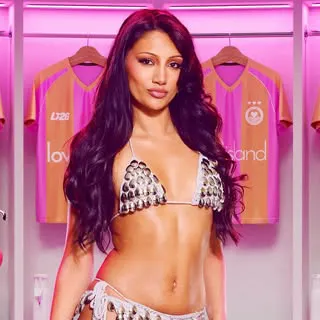 @jasminegmuller @jasminegmuller | 744K | 37.9% |
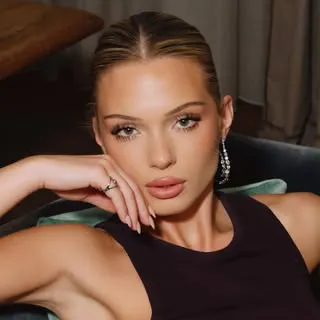 @juliamayska @juliamayska | 407K | 30.5% |
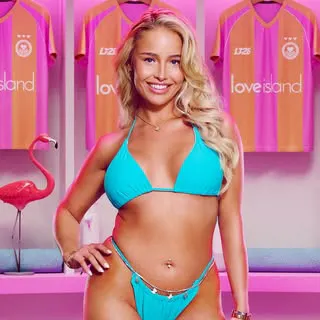 @ellechadwickk @ellechadwickk | 293K | 15.8% |
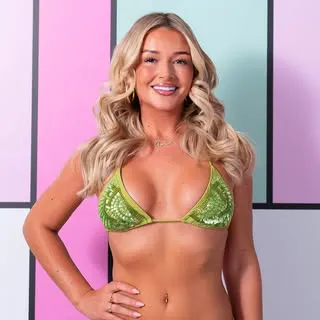 @charleenmurphy @charleenmurphy | 231K | 7.8% |
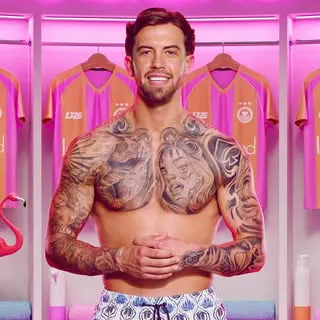 @aidan.mzz @aidan.mzz | 197K | 40.1% |
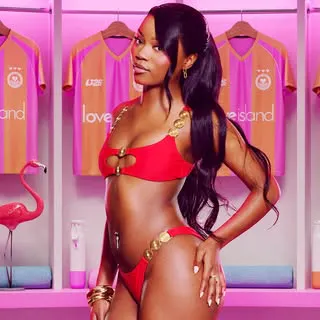 @angelistagundax @angelistagundax | 171K | 95.1% |
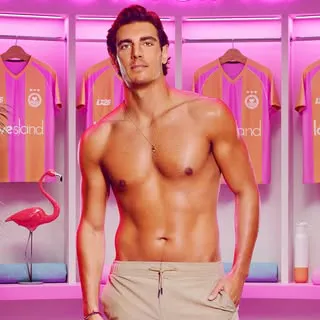 @lorenzoxalessi @lorenzoxalessi | 127K | 51.7% |
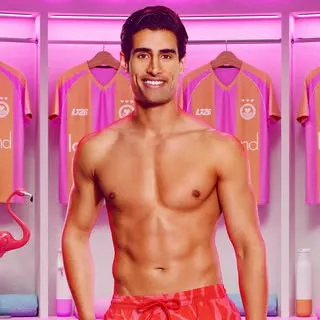 @samrajtoor @samrajtoor | 111K | 41.1% |
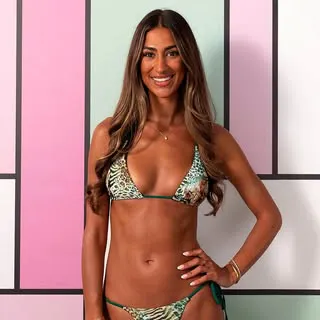 @priyajaswal_ @priyajaswal_ | 83.8K | 24.8% |
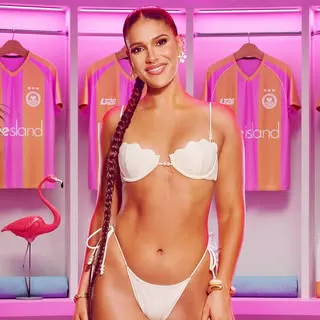 @mica_harris @mica_harris | 47.9K | 48.7% |
How Brands Can Capitalize on Reality TV Talent
Reacting fast is necessary but not sufficient. The brands getting real value out of this moment are making specific, deliberate choices about who they sign, how the deal is structured, and what they ask the talent to do. Here are some points to take into consideration when signing up reality tv stars.
1. Build a live shortlist during the show, not after it.
By the time the finale airs, the best-positioned cast members already have three or four offers on the table. Brands need someone tracking TikTok sentiment, and comment velocity in real time during the show's run, not waiting for a wrap-up article to tell them who mattered. Charleen Murphy's Kash Beauty deal and Lorenzo's Vogue slot both closed within days of the finale, which is only possible if the groundwork (outreach, terms, creative) started while the show was still airing.
2. Sign attention, not outcomes.
The instinct is to wait for the winning couple. However, this season's fastest, most interesting placements went to people who didn't win. Track engagement and fan-content volume per contestant, independent of their in-show result, and be willing to move on someone who was dumped in week two if the internet decided they mattered more than the eventual winners.
3. Rank talents with existing brand ties higher.
Jasmine's case is the model here: someone who walks in with an existing following, an existing brand, or an existing sponsor relationship is lower risk and faster to activate than an unknown. They already know how to produce on-brand content, they already have an engaged audience used to seeing sponsored posts from them, and the partnership reads as continuity rather than a random pairing. Brands moved fast, jumping on Jasmine's TikTok and Instagram comment section the moment she started posting fresh out of the villa.
5. Buy into the narrative, not just the face.
Reunion or "couple" campaigns (bringing two cast members back together, referencing an in-show joke or moment) consistently outperform generic "here's an islander in our product" posts, because they're tapping into what the audience already invested emotional energy in, not just borrowing a follower count.