Overview
Over the last few years, we’ve seen a steady rise in influencers turning to podcasts and building loyal audiences beyond social media. It’s easy to dismiss this as another content trend, but we’d argue it signals something bigger: creators are becoming small media companies, and owned channels are becoming a form of risk management.
Podcasts sit alongside newsletters, Substack and other creator-owned platforms as ways to build an audience that isn’t entirely at the mercy of an algorithm. As creators build careers in an ecosystem defined by constant platform shifts, the podcast is one of the clearest signs of a broader move toward owned media. And for brands, it's a useful signal of which creators are thinking beyond the next post, and creating media businesses designed to last.
The Fragility Problem
Most influencer careers are still built on a shaky foundation: platforms they don’t control. Reach can swing overnight after an algorithm update. Monetization rules can change without warning. Features that once drove growth can be deprioritized, while accounts can be restricted, demonetized or removed with little recourse.
The underlying issue is that the platform controls the relationship between creators and their audiences. It decides who sees their content, when they see it, and how creators can monetize that attention. For creators, building on owned channels is one way to reduce that dependency.
It's not just influencers. The same logic is pulling in established celebrities. Trevor Noah, who spent years hosting The Daily Show, now runs What Now?, and Amy Poehler, one of the most recognizable names in comedy, hosts Good Hang. Neither needs a podcast to stay famous. What a show gives them is a direct, long-form relationship with an audience, outside the control of a network, a studio, or a feed.
Amy Poehler's Good Hang
Led by comedy icon Amy Poehler, Good Hang delivers an intimate, lighthearted interview space where listeners get to eavesdrop on genuine catch-ups between top talent.
From Followers to Owned Relationships
That's why creators are investing in channels where they hold the relationship themselves. Each one does a different job:
- Podcasts build depth and trust. Listeners spend long stretches with the host, often in a more intimate setting than a feed allows.
- Newsletters provide direct access and first-party data. A creator can reach subscribers without asking a platform's permission.
- Communities drive retention and loyalty, turning passive followers into active participants.
- Products create revenue that doesn't depend on brand deals at all.
None of these replaces social media. Short-form content is still where most creators find new audiences. But increasingly it's the top of the funnel, with owned channels doing the work of holding onto the people it attracts.
 Gstaad Guy for Poubel. Instagram.
 Emma Chamberlain, who hosts the podcast Anything Goes, also founded Chamberlain Coffee, turning a lifestyle persona into a consumer brand. The Gstaad Guy, the satirist behind the characters Constance and Colton, launched his own silver jewellery brand, Poubel, in 2024, and started a podcast in 2025, hosted out of character. Content builds the audience, and products and shows built on that audience bring in revenue.
Podcasts are lower-friction than launching a product and richer than a newsletter. It also scales like media: a successful show can grow an audience, build a recognizable brand, and support multiple revenue streams. With video podcasts now a major part of the landscape, creators can repurpose a single recording into clips for social media.
How That is Affecting Creator Economy
Creators with multiple channels operate differently. They run something closer to a media company, with a portfolio of properties that each serve a purpose:
- Social channels find new audiences and keep the creator visible.
- A podcast deepens trust and generates sponsorship inventory.
- A newsletter gives direct access to subscribers and first-party data.
- A community or membership brings in recurring revenue and loyalty.
- Products or affiliate income earn money that doesn't depend on any brand deal.
Each property has its own audience, its own metrics, and often its own revenue model. The real shift is that no single one of them carries the whole business. A creator whose income is mostly brand deals on one platform has few. A creator with several revenue lines is in a different position. As more creators build this kind of resilience, the market shifts away from a world where brands hold most of the leverage and toward one where creators and brands negotiate as closer equals.
What it Means for Brands
This is where the shift matters most for anyone interested in influencer partnerships. When a creator becomes a media ecosystem rather than a single social presence, the way brands vet, partner with and measure them needs to evolve too.
Vet the whole ecosystem, not just the feed.
Follower count on a single platform gives you only reach. But a creator with a podcast, a newsletter, and an engaged community is generally a lower-risk, higher-trust partner. Their audience relationship is strong and doesn't depend on one algorithm.
Think multi-channel and long-term.
Podcasts reward ongoing relationships. A single host-read ad tends to do less than a sustained partnership where the creator has time to build genuine familiarity with your product. Brands used to booking one-off posts may need to rethink how they budget and plan.
Expect a different kind of relationship.
Diversified creators have options, so brands need to offer real fit, fair terms, and creative freedom.
Adjust how you measure.
Each owned channel needs its own success metrics. Podcast attribution works differently from social analytics, and a newsletter mention is measured differently from a community integration. Evaluating everything through a single social-media lens will undersell the value, and misread the results.
The influencer podcast is less a trend than a symptom. For brands, that's good news if you know how to read it. The creators investing in owned channels are the ones most likely to still be here, with their audiences intact, when the next platform shake-up arrives.
Alex Cooper's Call Her Daddy
Host Alex Cooper turned Call Her Daddy from a raw relationship podcast into one of the most lucrative and influential media brands in modern broadcasting.
Top Influencer Podcasts to Follow
| Podcast | Influencer Names | Following | ER |
|---|---|---|---|
 callherdaddy callherdaddy | Alex Cooper | 3.9M | 2.8% |
 passthatpuss passthatpuss | Jake Shane | 1.9M | 5.1% |
 goodhangwithamy goodhangwithamy | Amy Poehler | 2M | 3.7% |
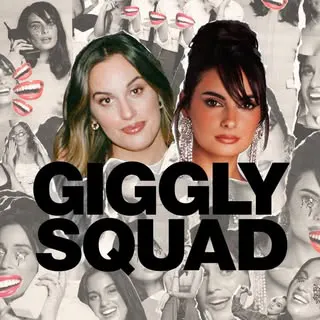 giggly.squad giggly.squad | Paige Desorbo and Hannah Berner | 1.1M | 3.1% |
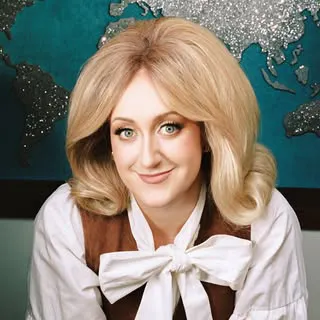 broskireport broskireport | Brittany Broski | 740K | 4% |
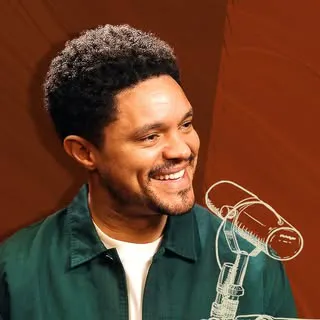 whatnowpodcast whatnowpodcast | Trevor Noah | 426K | 5.3% |
 anythinggoes anythinggoes | Emma Chamberlaine | 373K | 4% |
 gstaadguypodcast gstaadguypodcast | Gstaad Guy | 160K | 2.1% |
 prettylonesome prettylonesome | Madeline Argy | 80.3K | 4% |
 hotmess hotmess | Alix Earle | 416K | 4.2% |
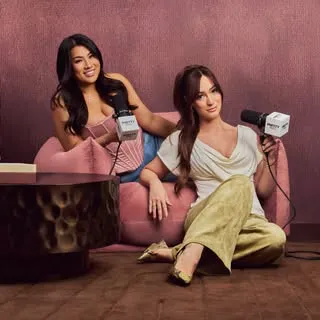 prettybasicofficial prettybasicofficial | Alisha Marie and Remi Cruz | 142K | 4.1% |
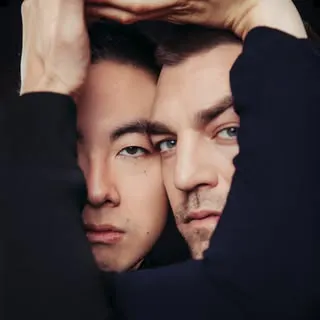 lasculturistas lasculturistas | Matt Rogers and Bowen Yang | 356K | 2.9% |
 girlsgottaeatpodcast girlsgottaeatpodcast | Rayna Greenberg and Ashley | 322K | 1.9% |
 mytherapistghostedme mytherapistghostedme | Vogue Williams and Joane McNally | 124K | 1.4% |
 stassiwithtay stassiwithtay | Stassi Schroeder and Taylor Strecker | 160K | 0.5% |