Met Gala 2026 Overview
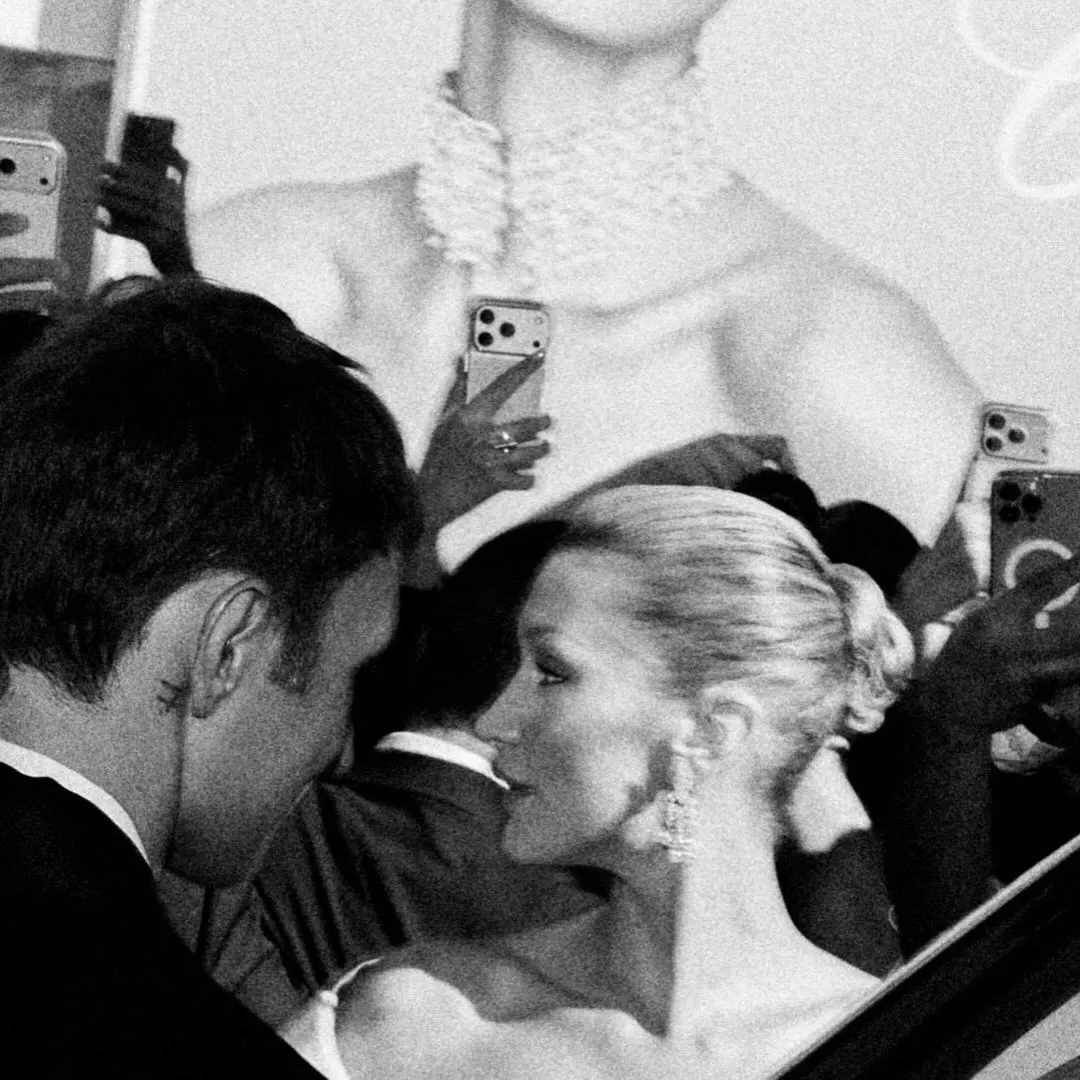
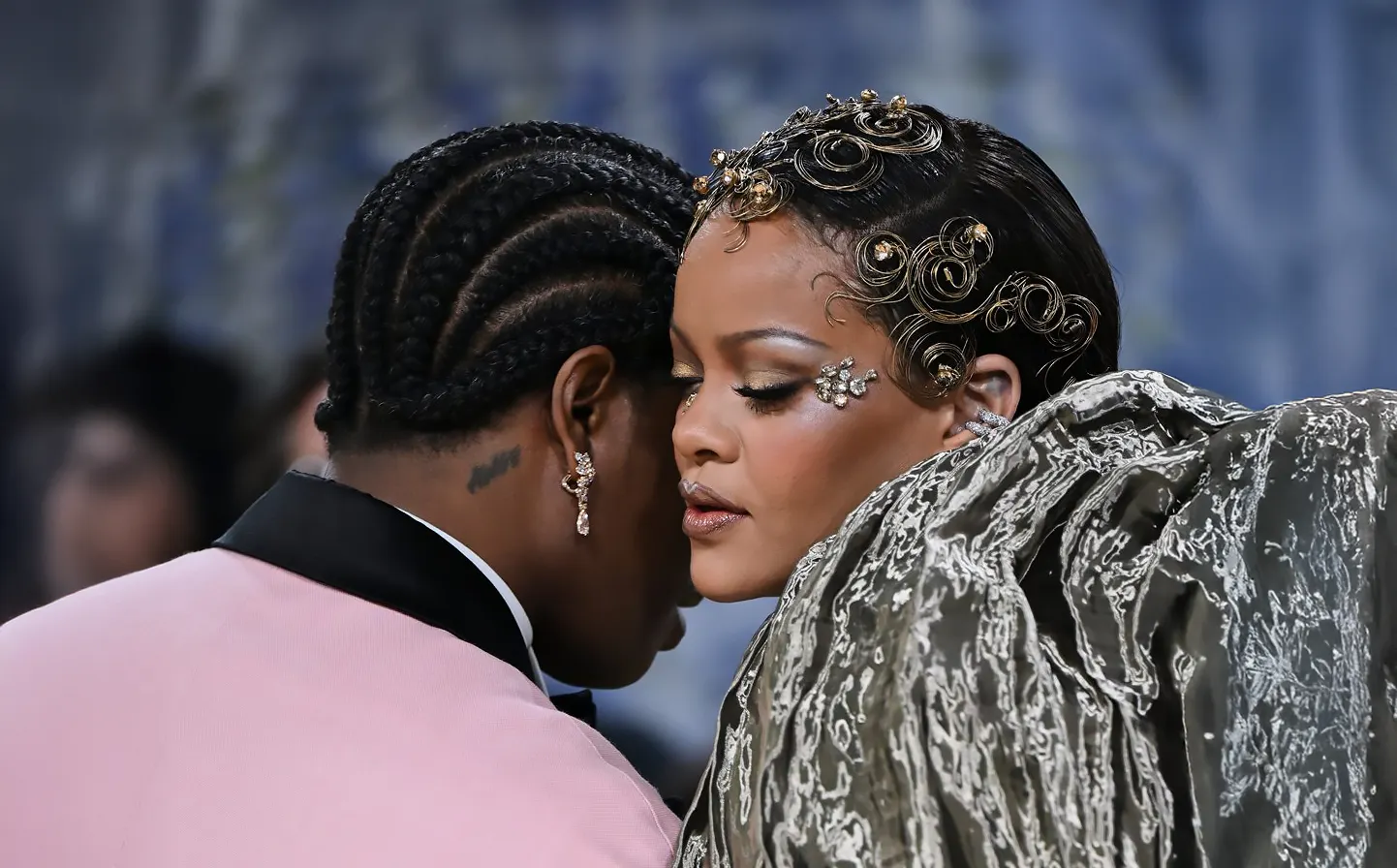
The Metropolitan Museum of Art’s steps were taken over once again on Monday, May 4th, for the most anticipated fashion event of the year.
Met Gala 2026 delivered an astonishing $250M in EMV. Boasting an average engagement rate of 9.79%, maintaining the momentum of its 2025 predecessor, and cementing its status as the global stage for fashion storytelling.
This year’s theme, “Costume Art”, explored the relationship between clothing and the human body, while the dress code, “Fashion is Art”, left the guests to interpret it as their body becoming the canvas and what they wear becoming the work.
Convergence of Tech with Fashion
This year’s Gala came under scrutiny for the involvement of Amazon’s Jeff Bezos and his wife, Lauren Sánchez Bezos, as sponsors, sparking significant backlash. The backlash, however, spotlighted something the fashion world has been navigating for a while now: the growing involvement of big tech with the fashion and luxury industry.
Even the presence of tech titans like Google Co-Founder Sergey Brin, Instagram CEO Adam Mosseri, and representatives from Meta and OpenAI, who bought tables at the Gala, prompted social media attention, earning it the nickname “Tech Gala.”
With Meta’s Mark Zuckerberg attending fashion week, tech executives front-rowing at runway shows, and now Bezos sponsoring fashion’s most prestigious fundraiser, the boundaries between Silicon Valley and the front row are dissolving in real time.
For luxury brands, creators, and celebrities, the Met has never been simply a cultural event. It’s a moment where fashion, entertainment, internet culture, and increasingly — tech, converge all at once.
 Mark Zuckerberg with wife Priscilla Chan. Instagram.
 The Best Looks of Met Gala 2026
On a night where the body was the canvas, those who stayed true to the theme stood out the most.
LISA in Robert Wun
Robert Wun completely dominated Met Gala 2026. Designing for eight different stars, his standout moment was undoubtedly LISA’s custom look – a sheer, sculptural masterpiece featuring surreal 3D arms modelled after the star herself.
Kylie Jenner in Schiaparelli
Kylie Jenner was seen in a custom Schiaparelli ensemble featuring a nude corset and embroidered pearl-covered skirt. Schiaparelli was one of the most anticipated brands for this year's Met Gala and also dressed honorary chair Lauren Sánchez Bezos.
Emma Chamberlain in Mugler
The internet’s favourite correspondent, Emma Chamberlain, delivered one of the night’s most talked-about looks. She wore a custom Mugler gown by Miguel Castro Freitas, hand-painted by artist Anna Deller-Yee. The inspiration incorporated references to Van Gogh and Munch alongside Mugler’s iconic 1997 butterfly dress.
Bad Bunny in Zara
Bad Bunny arrived completely transformed: white hair, aged skin, a walking cane, and a custom Zara tux - presenting himself as a man five decades older. Makeup was handled by Mike Marino, famed for Heidi Klum’s iconic Halloween looks. Choosing Zara over a heritage house made the impact sharper.
The K-pop presence at the event was significant, with all four BLACKPINK members walking the carpet together for the first time in the event's history. Jisoo wore Dior, Jennie wore Chanel, Rosé wore Saint Laurent, and LISA in Robert Wun, completed the group. Aespa's Karina and Ningning also made their Met Gala debuts, representing Prada and Gucci.
 Karina, LISA, Jisoo and Hoyeon. Instagram.
 The Top Celebrities of Met Gala 2026 by EMV
These were the best performing celebrities and influencers who dominated Instagram at the 2026 Met Gala:
| Influencer | Brand | EMV | Engagement Rate |
|---|---|---|---|
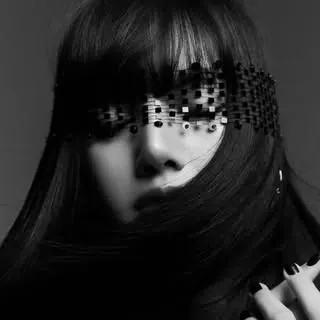 @lalalalisa_m @lalalalisa_m | Robert Wun | $19.7M | 1.7% |
 @kyliejenner @kyliejenner | Schiaparelli | $15.2M | 0.5% |
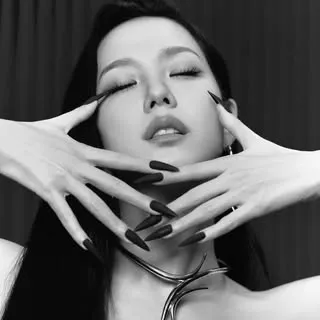 @sooyaaa__ @sooyaaa__ | Dior | $13.7M | 2.8% |
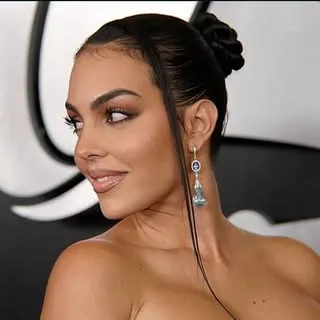 @georginagio @georginagio | Ludovic de Saint Sernin | $12.2M | 3% |
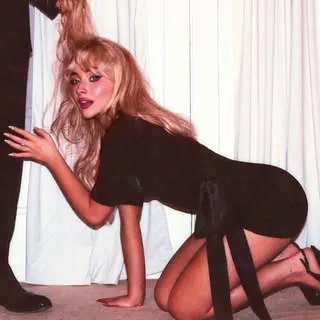 @sabrinacarpenter @sabrinacarpenter | Dior | $10.5M | 4.8% |
 @haileybieber @haileybieber | Saint Laurent | $10.3M | 2.1% |
 @ananyabirla @ananyabirla | Robert Wun | $10.2M | 8.3% |
 @katarinabluu @katarinabluu | Prada | $9.8M | 2.1% |
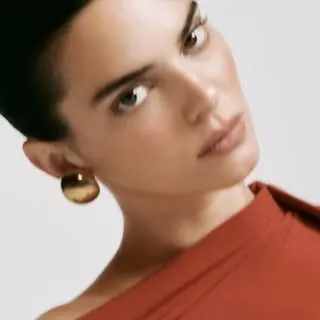 @kendalljenner @kendalljenner | Gap by Zac Posen | $8.9M | 0.9% |
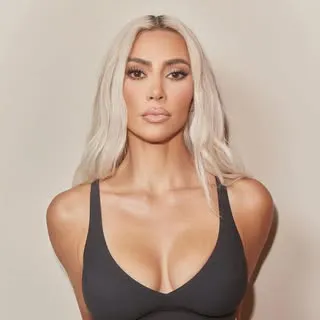 @kimkardashian @kimkardashian | Allen Jones and Whitaker Malem | $8.3M | 1.6% |
The Top Fashion Brands of Met Gala 2026
This year, a mix of legendary maisons and emerging names captured the global attention. These are the top ten brands that defined the 2026 Met Gala:
| Brand | EMV | ER | Posts tracked |
|---|---|---|---|
| Robert Wun | $31M | 6.5% | 159 |
| Dior | $26.4M | 4.1% | 86 |
| Saint Laurent | $25.9M | 2.7% | 121 |
| Prada | $15.5M | 2.8% | 76 |
| Schiaparelli | $15.3M | 1.1% | 15 |
| Ludovic de Saint Sernin | $13.4M | 5% | 32 |
| Gap by Zac Posen | $9.3M | 0.7% | 16 |
| Allen Jones and Whitaker Malem | $8.3M | 1.6% | 14 |
| Marc Jacobs | $7.4M | 3.4% | 24 |
| Tom Ford | $7.3M | 1.2% | 26 |
Brands Need to Bet on Olympic Stars
This year's Gala made something unmistakably clear: athletes are no longer showing up to fill seats but are showing up with influence, and with stories to tell.
Naomi Osaka in Robert Wun
From Naomi Osaka’s elaborate white Robert Wun ensemble to figure skating gold medallist Alysa Liu in a Louis Vuitton dress, or Lindsey Vonn, in a custom Thom Browne - all the athletes brought something most influencers can't replicate: a built-in narrative of discipline, sacrifice, and achievement.
Eileen Gu in Iris Van Herpen
The kind of genuine articulation that brands spend years attempting to produce is what fans on the internet like when Eileen Gu discusses the creative thought behind her bubble dress by Iris Van Herpen, on camera fluently. The merging of sports and fashion is at an all-time high, and especially, the female athletes are being recognised for their influence.
Why Fashion Commentators are the Real MVPs of the Met Gala 2026
And how brands can leverage them
The Met Gala content cycle doesn't start on the first Monday of May. It starts weeks earlier, with people asking who's going, predicting looks, and debating the theme. By the time the event starts, audiences aren't passively waiting to be told what to think. They're already ready and waiting for their favourite online fashion critic to weigh in.
We're watching a new generation of fashion commentators build serious audiences on TikTok, YouTube, and Instagram by doing something the traditional fashion press rarely does: speaking plainly, going deep, and having an actual opinion.
Bernard Garby
Fashion creators like Bernard Garby, with 417k followers on TikTok, have built loyal audiences on the back of takes that actually hold weight. No surface-level coverage, no hedged opinions. They decode the looks, root out who genuinely engaged with the theme, roast the misses without apology and break down the craftsmanship behind the pieces that earned it.
Why Their Audiences Are Different
Fashion critics on social media attract a specific kind of follower: someone who cares enough to watch a 20-minute YouTube breakdown of a single runway show. These aren't passive scrollers. They're actively interested, often highly informed, and genuinely engaged with fashion as a subject, not just as aesthetics.
For brands, that's a significant distinction. Reach is easy to buy. An audience that's genuinely curious about craft, heritage, and the story behind a garment is much harder to find. Fashion commentators have built that audience organically, through the quality of their thinking and the consistency of their voice.
We directly asked the creators on how brands can meaningfully engage with them.
Mandy Lee aka @oldloserinbrooklyn
Mandy Lee, a fashion and trend analyst with 615k TikTok followers, pointed to access as the key differentiator. Tory Burch once let her film inside the atelier during the design process ahead of the gala. That kind of bts content, she noted, is exactly what her audience loves, and even a press release sent a few hours early can make a difference.
Yagmur Tok aka @selloutartist_
Yagmur Tok – a fashion critic and trend analyst, with a community of 177k followers on Instagram, whose commentary cuts through the noise of major cultural moments – put it plainly: the most effective partnerships are the ones where brands step back and let the voice lead.
Met Gala 2026 Wrapped
Met Gala 2026 felt like a preview of where fashion and culture are heading.
Tech money is moving into the front row to become more culturally relevant. A new generation of commentators has earned more trust than legacy media. Asian artists continue to rise and dominate conversations across Western media. Gen Z Olympians are rewriting what it means to be a style icon.
The landscape is actively shifting, and brands need to adapt their strategies accordingly.